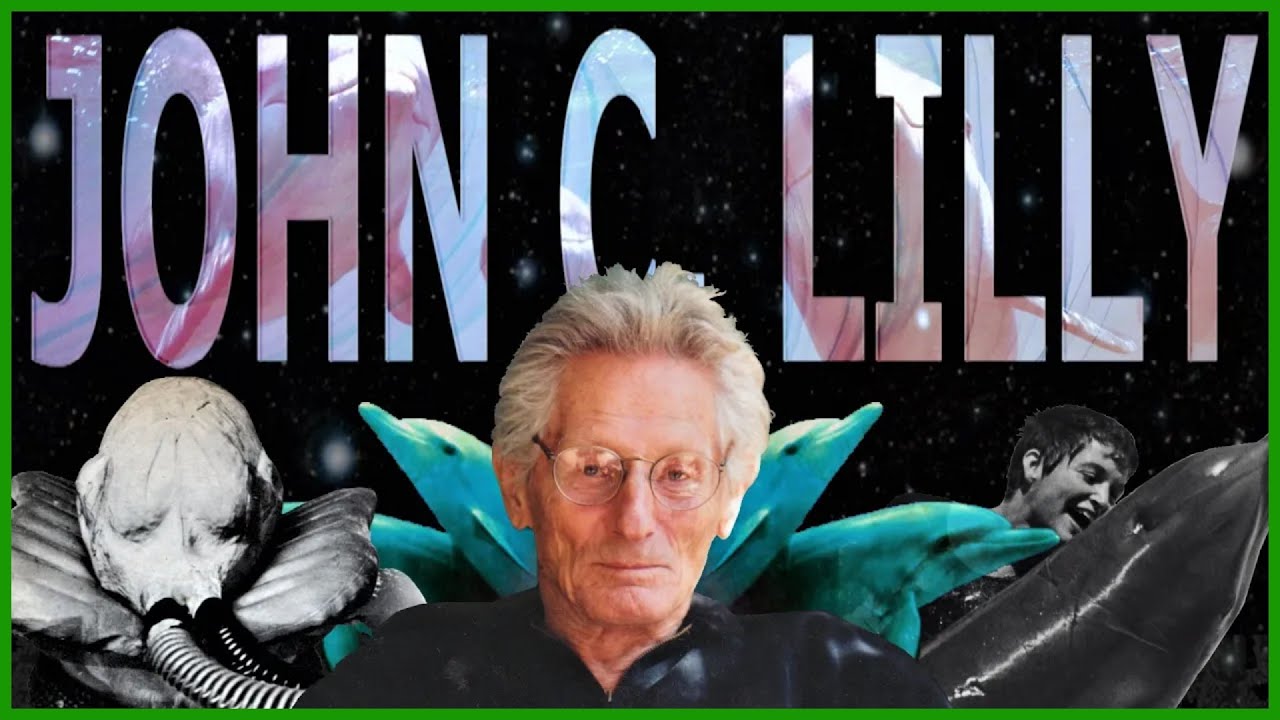
In the 1960s, neurophysiologist John C. Lilly established a laboratory on the U.S. Virgin Islands to explore the potential for interspecies communication between humans and bottlenose dolphins. With the assistance of Margaret Howe, who lived in the partially flooded facility for ten weeks, Lilly attempted to teach a dolphin named Peter to speak and understand English. The experiment, which was partially funded by NASA, became a subject of intense public and scientific scrutiny, particularly after the introduction of LSD into the research. The project ultimately ended in failure, marked by the tragic death of the dolphin, but Lilly's work left a lasting impact on the scientific community and popular culture, inspiring both scientific inquiry and works of fiction.


