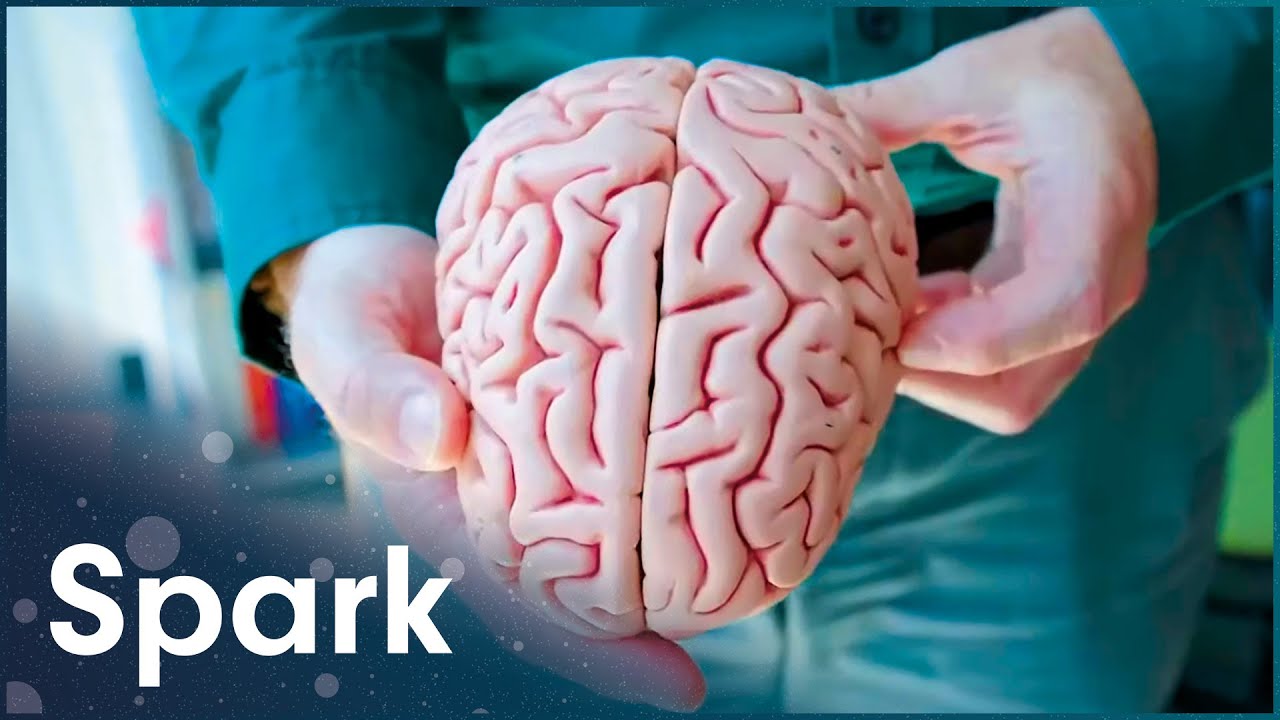
The rapid evolution of neurotechnology is bridging the gap between the human brain and digital systems, offering transformative potential for both medical rehabilitation and cognitive enhancement. By decoding neural activity and integrating it with artificial intelligence, researchers are developing innovative interfaces that allow individuals to control external devices, such as robotic exoskeletons or virtual environments, through thought alone. This convergence of neuroscience and technology promises to redefine human capabilities, offering new hope for treating neurological conditions while simultaneously pushing the boundaries of human potential.